
Find People Across South Fulton
Start by deciding which government could have made the record. South Fulton City Clerk files begin with the modern city, which incorporated in 2017. Fulton County remains the keeper of land titles, tax parcels, most trial-court cases, probate estates, and marriage licenses. Georgia controls corporate filings, professional licenses, prison records, vital certificates, and voter self-service. That split is more than an office chart. A request sent to the city for a deed or Superior Court case will reach the wrong custodian.
A name works well in the court, deed, corporation, and license indexes. An address is stronger in the assessor and GIS tools. For a past occupant who did not own the property, move from the parcel and deed chain to reverse directories, obituaries, and library sources. Phone numbers appear in some government staff directories, older criss-cross books, and record contact fields, but there is no verified public resident-phone directory for South Fulton.
- Confirm whether the address or event belongs to the city, Fulton County, or a state office.
- Search the most direct index by name, address, parcel, case, or license number.
- Write down stable identifiers such as parcel ID, book and page, estate number, or court case number.
- Compare a second official source before treating a name match as the same person.
- Ask the custodian for the existing record when an image, old volume, or full file is not online.
Note: A postal label of Atlanta does not prove that an address is outside today’s South Fulton city limits.
South Fulton People Records Keepers
Three offices resolve many South Fulton people searches. The City Clerk handles council actions, ordinances, agreements, ethics material, and citywide records management. The Fulton County Clerk of Superior and Magistrate Courts keeps court and real-estate records. Fulton’s assessor connects an owner name or street address to a tax parcel. For access rules, fees, exemptions, and request routes, use the detailed South Fulton public records system.
South Fulton City Clerk
5440 Fulton Industrial Blvd. SW
South Fulton, GA 30336
470-809-7272
Search South Fulton Property Names
The Fulton County property search accepts an owner name, parcel ID, or property address. A result can confirm the parcel identifier, owner, assessment year, property type, value, and exemption status. A homestead exemption is a useful owner-occupancy sign, but it does not prove that a named person lives at the property now.
| Search route | Enter | Use the result for |
|---|---|---|
| Owner Name | Current tax-roll owner | Finding parcels tied to a name |
| Property Address | Physical or situs address | Moving from a place to an owner |
| Parcel ID | Exact displayed identifier | Joining assessor, tax, and deed records |
The Fulton County GIS gateway also provides parcel tools for map-based context.
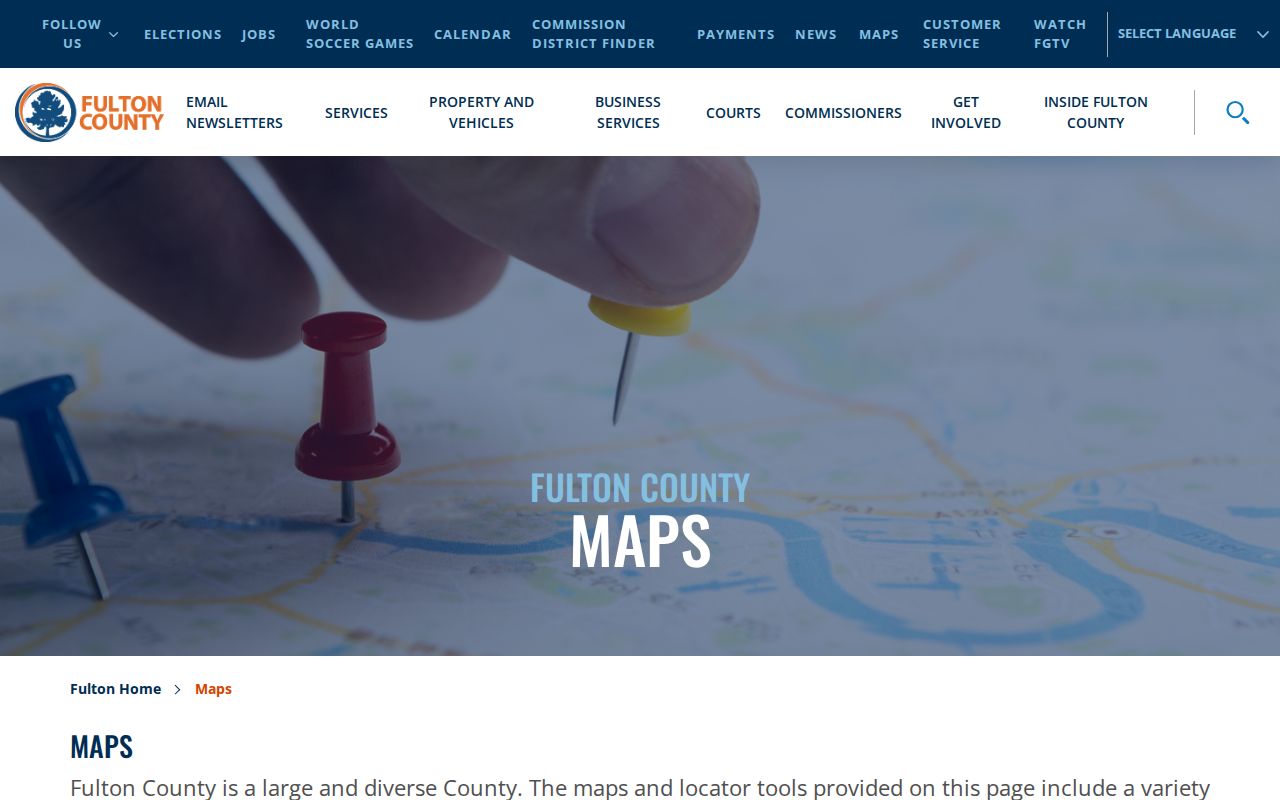
The GIS view helps distinguish a mapped parcel from a mailing address, especially near annexed land and older community boundaries.
Follow South Fulton Deed Records
Once the assessor supplies an owner or parcel, move to the GSCCCA real-estate index. It supports real-estate, lien, plat, and book-and-page searches. Premium property tools can also combine subdivision, unit, block, lot, address, plat, and PT-61 transfer records. The county clerk remains keeper of the legal original even though the statewide system provides the index.
- Grantor
- The person or entity transferring an interest.
- Grantee
- The person or entity receiving that interest.
- Book and page
- The recording coordinates used to retrieve an instrument.
- PT-61
- Georgia transfer-tax data that may show price and buyer or seller addresses.
The official deed and lien search shows the search system used for Fulton filings.
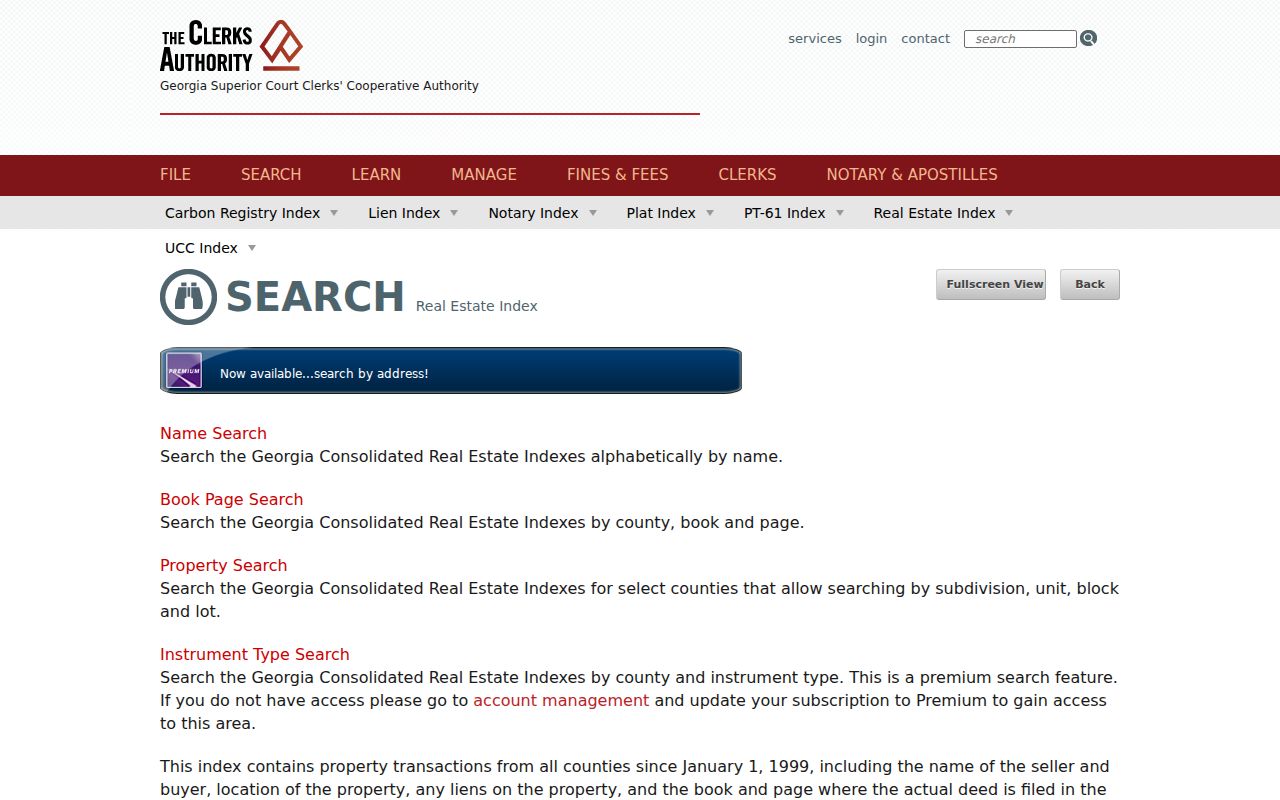
A deed index hit is a route to a document, not proof of current ownership. Compare it with the current assessor record and later transfers.
Check South Fulton Court Names
South Fulton court records split by court type. City Municipal Court handles traffic misdemeanors and ordinance violations. Fulton Superior, State, and Magistrate courts handle broader civil and criminal matters. The Georgia court-record search permits case or name searches after account registration. Public filings can be reviewed online, but only the first page of each item is free. Courthouse Public Access Terminals show public files without that web image charge.
A docket is the court’s event list for a case. It can connect a name to a filing, date, and case number, yet it is not identity proof. Juvenile, adoption, sealed, restricted, victim, and other confidential material will not appear as ordinary name-search content. Older files may also require clerk retrieval.
| Court system | Typical South Fulton matters | Practical access | Fallback |
|---|---|---|---|
| Fulton Superior and State | Civil, felony, divorce, misdemeanor, traffic | re:SearchGA by case or name | Clerk or public terminal |
| South Fulton Municipal | City citations and ordinance cases | JusticeONE and court calendar | Municipal Court clerk |
| Northern District of Georgia | Federal civil and criminal cases | PACER | Federal clerk |
The state court search interface illustrates the online entry point.
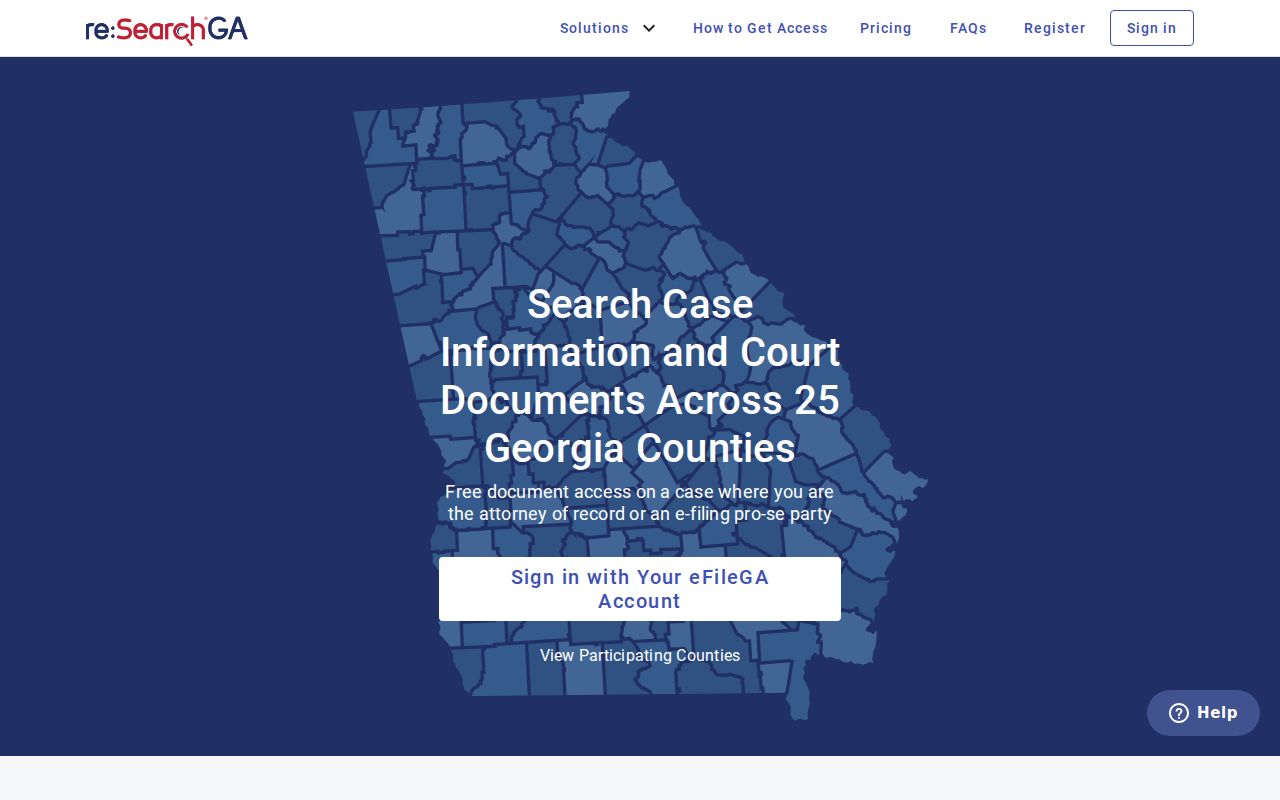
Use the case number from a result when asking the clerk for a disposition or full public file.
South Fulton Vital Record Routes
Georgia birth and death certificates are not ordinary open records. O.C.G.A. §§ 31-10-25 and 31-10-26 limit certified copies to authorized applicants. The Georgia Department of Public Health and Fulton County Board of Health provide eligible birth and death copies. Fulton Probate Court supplies marriage-license copies, while divorce decrees come from the Superior Court clerk.
Georgia did not publish a general rule that turns birth or death certificates into open public records after a set number of years. Family historians should use the Georgia Archives, library databases, census schedules, church material, newspapers, and authorized certificate procedures instead of assuming an old certificate is freely open.
The state vital-record services page lays out the available order routes.
The correct office depends on record type, eligibility, and whether a certified copy or historical lead is needed.
Find South Fulton Estate Names
Probate records can identify a decedent, petitioner, executor or administrator, heirs named in a will, and the authority granted through court letters. Fulton Probate Court’s estate request form asks for the decedent’s name, estate number, and date of death, plus the requester’s contact details. Available items include petitions, wills, oaths, and Letters of Administration or Testamentary in certified or noncertified form.
If the page count is unknown, send the form to Fulton Probate Court Records for a quote. Requests may then be mailed with a money order or attorney’s check and a self-addressed stamped envelope. The South Service Center at 5600 Stonewall Tell Road also places a county probate office within South Fulton.
Historic depth matters here. Fulton Probate Court reported finding nineteenth-century marriage, estate, and will documents in its records room. That makes the counter and records staff an important fallback when a family name does not surface online.
South Fulton Business Name Lookup
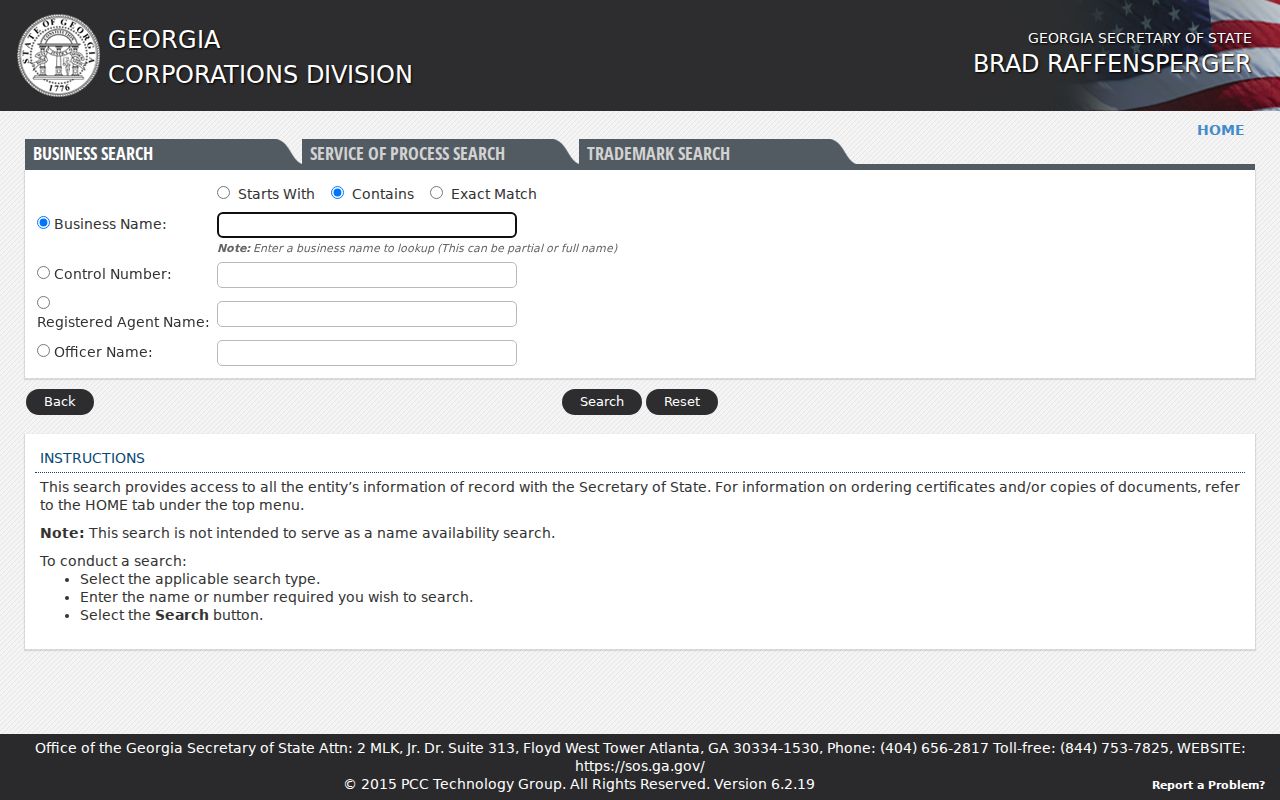
The Georgia Business Search can connect a company name to a registered agent, officer, control number, principal office, formation details, status, and filed documents. Search modes include starts with, contains, and exact match. Separate fields accept a business name, control number, registered agent, officer, or designated agent. A registered agent receives legal service for the entity and is not necessarily its owner.
The official corporate search screen provides a free statewide entry point.
Compare the filing’s name and address with a city occupational-tax record, court case, deed, or professional license when the goal is to distinguish similar people.
South Fulton Custody Lookups
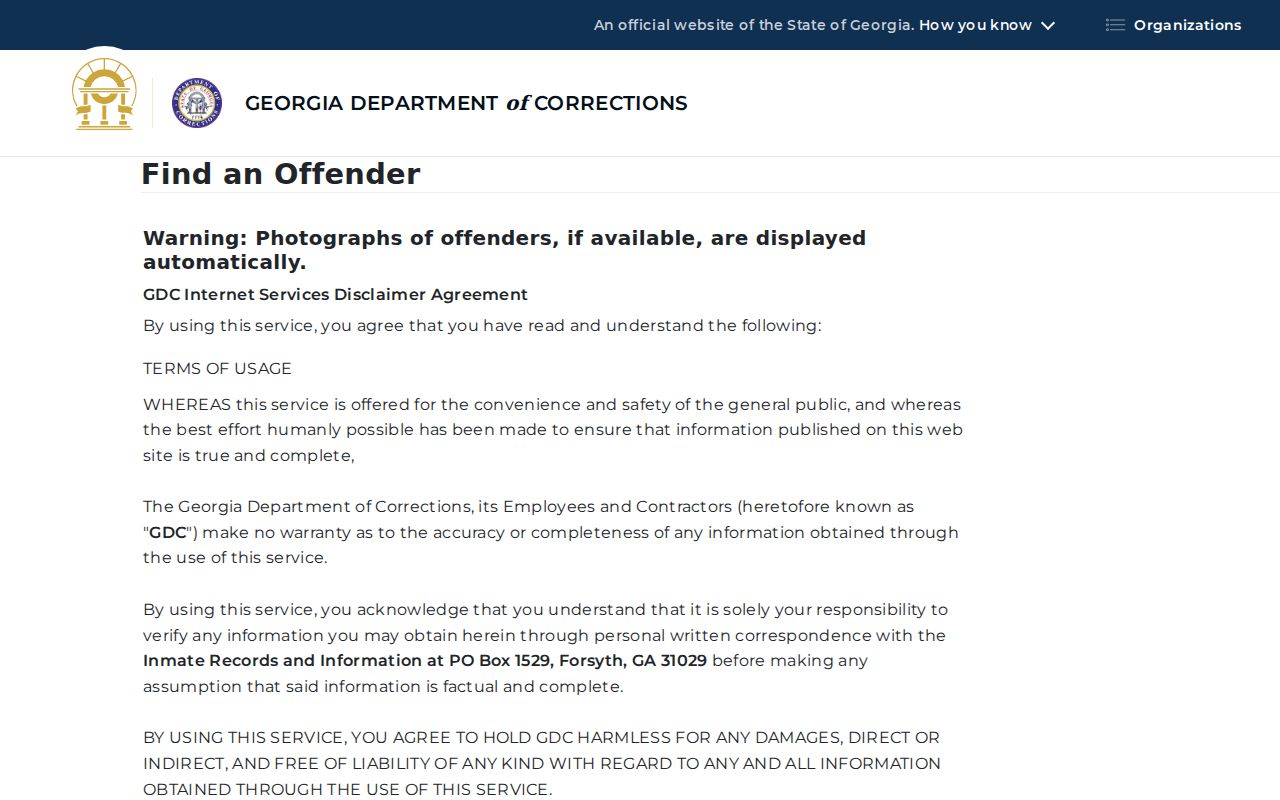
Current custody uses separate county and state systems. The Fulton Sheriff inmate search accepts a name or booking ID. The Georgia Department of Corrections offender query searches by description, name, GDC ID, or case number and may return releasable identity, conviction, sentence, and release-eligibility facts. Completed First Offender records are not published.
The state offender query form is distinct from the county jail tool.
A missing result does not prove a person has no record. Jurisdiction, spelling, restricted material, and the difference between jail and prison systems can change the outcome.
South Fulton Library Search Paths
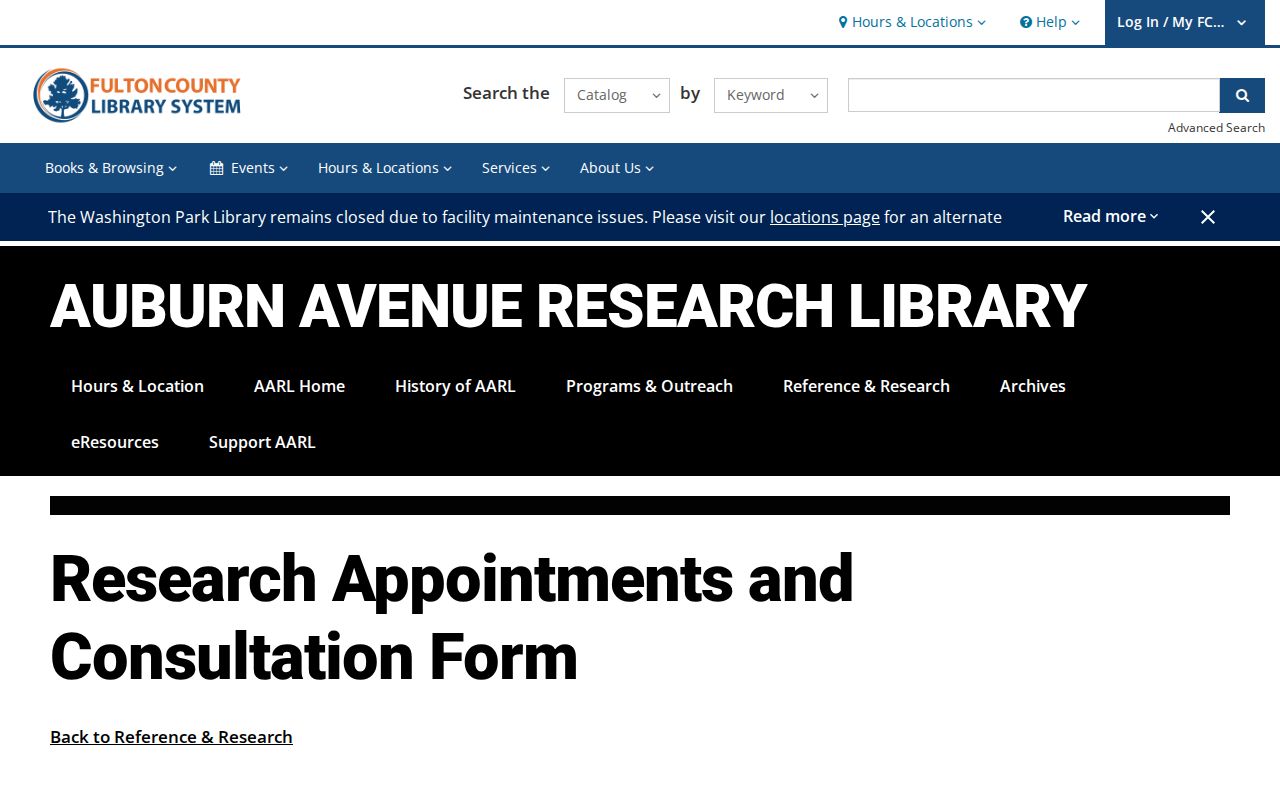
The Fulton County Library System research collection reaches people who never appear as owners or parties in current databases. Its genealogy resources include in-library Ancestry Library Edition, Fold3 military records, MyHeritage, HeritageHub obituaries and death notices, Digital Library of Georgia material, and Special Collections. Remote use varies by database, so a library card does not make every collection available from home.
The library research gateway shows the database starting points.
When a public-record trail ends at an old address or death notice, these collections can supply the family, military, newspaper, or community context needed to resume it.
Trace South Fulton Before 2017
South Fulton has no municipal record era before its 2017 incorporation. Present-day addresses may be indexed under unincorporated Fulton County, an Atlanta postal label, a named community such as Campbellton or Sandtown, or old Campbell County. The 2021 Fulton Industrial annexation adds another boundary change: current city jurisdiction does not relocate older county or predecessor files.
Campbell County existed from 1828 until its remaining territory joined Fulton in 1932. Surviving FamilySearch runs include deeds and indexes beginning in 1828, bonds from 1831, court minutes from 1856, wills from 1863, land records from 1868, and a medical-practitioner register from 1881. Those are name-rich sources for landowners, families, court parties, and local professionals.
Boundary check. Search the jurisdiction that existed when the record was made, not only the municipality printed on a current map.
Reconnect Through South Fulton Archives
Historical directories fill the gap between an address and an occupant. Fulton County Library’s city and suburban holdings cover Atlanta and the metro area from the nineteenth century through the late twentieth century. Haines reverse directories run from 1946 through 2016-2017 and work from an address or telephone number toward an occupant. They also help with street-name changes.
For classmates and community ties, the Digital Library of Georgia hosts a digitized 1970 Fairburn Star with named student creators. Its history connects Fairburn High to Rosenwald-era Black education and the 1970-71 integration with Campbell High. Auburn Avenue Research Library adds African American newspapers, church directories, oral histories, genealogy collections, and vertical files.
These sources do not function like a single current resident list. They are strongest when a year, school, church, street, relative, or local event narrows the search.
Use South Fulton Records Lawfully
Official sources and commercial search products serve different roles. Government indexes identify their custodian, record type, and correction route, but no one database covers every person. Commercial products may merge public and nonpublicly sourced data, charge for access, or repeat stale errors. Verify a match with the office that created the record.
| Source type | Best use | Main limit |
|---|---|---|
| Official index | Finding a case, parcel, filing, or license | May omit images or restricted fields |
| Custodian copy | Confirming the full public record | May require a fee or written request |
| Library archive | Historical residents and family context | Coverage depends on place and year |
| Commercial compilation | Generating a lead to verify elsewhere | Source, date, and accuracy may be unclear |
Georgia law bars stalking, harassing communications, and commercial use of voter lists. Protected addresses, sealed cases, confidential vital records, and restricted voter fields remain unavailable even when a person’s name is known.
Good verification also preserves the context of each match. Record the agency, search date, name spelling, jurisdiction, and stable file number. Then compare dates, addresses, middle names, and related parties across sources. A court party with a common name may be unrelated to the property owner found elsewhere. An assessor entry may lag a recent deed. A directory listing may reflect an office contact rather than a home address. When two sources conflict, the custodian’s current file and a certified copy carry more weight than a search-result summary.
Lawful personal use only. Never use South Fulton people records to stalk, threaten, harass, or expose a protected person.